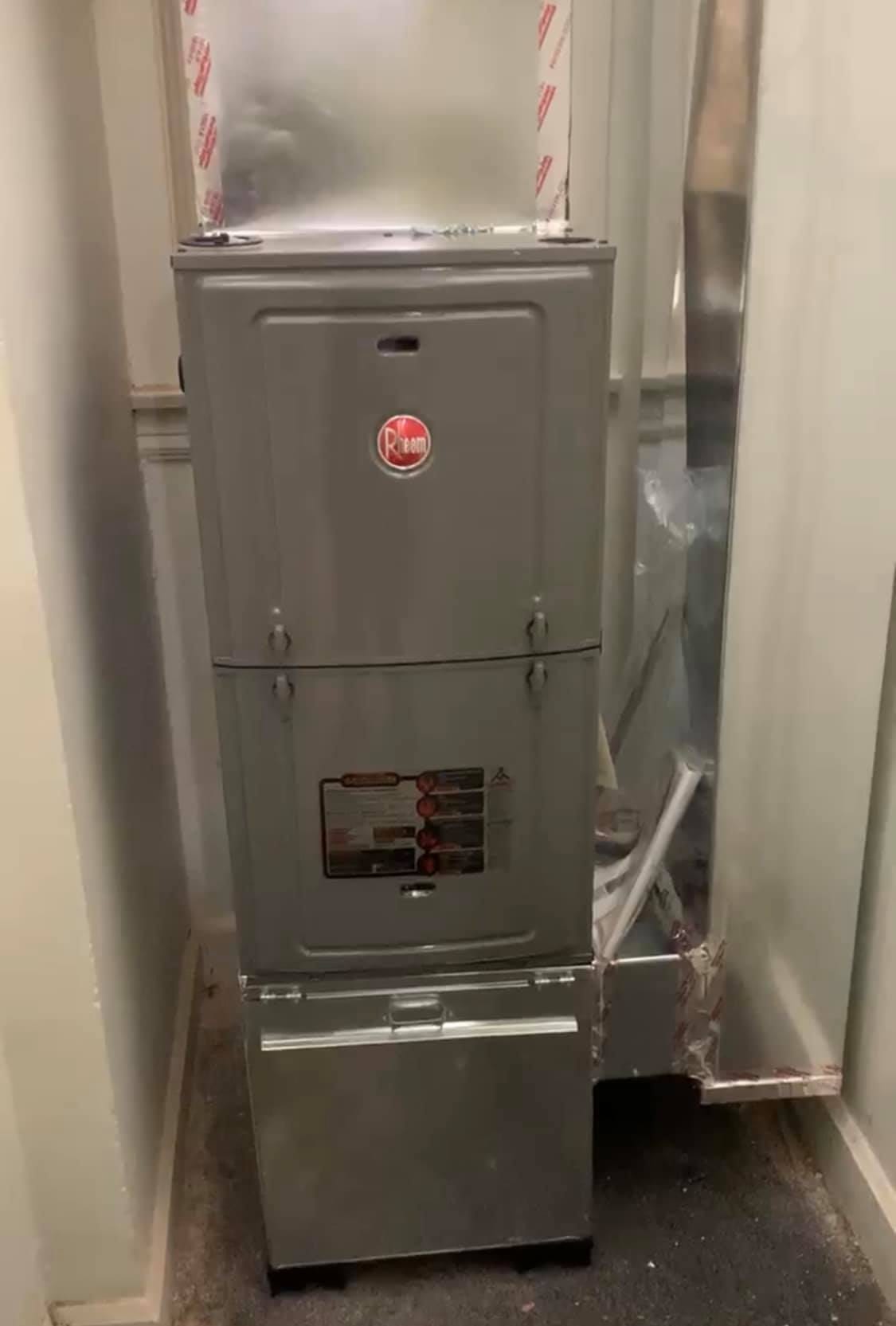
You need to know whether a furnace tune-up or a repair is right for your home in Peoria, AZ: a tune-up prevents breakdowns, improves efficiency and extends system life, while a repair fixes faults or hazards like carbon monoxide leaks and restores safe operation. You should weigh cost, timing, and symptoms-routine maintenance is proactive; repairs are reactive and often urgent-so prioritize safety and long-term savings when deciding.
Key Takeaways:
- Tune-ups are preventive maintenance (inspection, cleaning, safety checks) that improve efficiency, lower operating costs, and extend furnace life when done annually-best scheduled before Peoria’s cooler months.
- Repairs address specific failures or breakdowns (parts replacement, leak fixes, electrical faults); they’re typically more urgent and can cost more than routine tune-ups.
- In Peoria, AZ, dust, pollen, and monsoon effects make regular filter changes and fall tune-ups important; use licensed local HVAC pros who provide diagnostics and written estimates.
Understanding Furnace Tune-Ups
A furnace tune-up is a focused service where a technician performs a 20-point inspection, cleans burners, inspects the heat exchanger and venting, measures combustion and CO levels, lubricates motors, tests safety controls, and calibrates the thermostat. You should schedule this annually so your system runs safely and efficiently; in dusty Peoria conditions you may need more frequent attention to filters and burners to preserve performance.
Importance of Regular Maintenance
Regular maintenance prevents minor issues from becoming major failures and helps maintain manufacturer warranties. You should replace or check filters every 30-90 days (monthly in high-dust periods), and a professional will spot problems like heat exchanger cracks or blocked vents that could lead to a carbon monoxide hazard before they escalate.
Benefits of a Tune-Up
Tune-ups typically improve efficiency by up to 10-15%, can reduce energy bills by roughly 5-15%, and often extend furnace life by about 3-5 years. You’ll also experience fewer emergency repairs and more consistent indoor comfort after cleaning, airflow adjustments, and safety testing during the visit.
For perspective, a typical tune-up costs about $75-$200, while a major repair such as a heat-exchanger replacement can exceed $1,200-$2,500. You gain immediate value: one Peoria homeowner’s annual service revealed a hairline crack in the heat exchanger, preventing a dangerous carbon monoxide exposure and saving thousands in emergency repairs and replacement.
Understanding Furnace Repairs
Repairs target specific failures inside your furnace-things like a failing ignitor, a worn blower motor, a stuck gas valve, or heat exchanger cracks that can leak combustion gases. Technicians typically diagnose problems in 30-60 minutes, and repair costs range from about $100-$2,500 depending on parts and labor; repeated fixes on a unit older than 15-20 years often point toward replacement instead of another repair.
Common Signs You Need a Repair
If you hear banging, squealing, or rattling, see a yellow pilot light instead of steady blue, or notice your bills are 10-30% higher without usage changes, those are red flags. Weak airflow-about a 20-30% drop-or frequent short-cycling (>3 cycles/hour) also indicate mechanical or control failures that need attention before they cause further damage.
When to Call a Professional
You should call a pro immediately if you detect a gas smell, a tripped carbon monoxide alarm, persistent flame outages, or if the furnace won’t start after multiple resets. Also contact a technician when components repeatedly fail, or when the unit is over 15 years old and efficiency has fallen significantly; those situations can be hazardous or costly if left unchecked.
When a technician arrives they’ll run diagnostics-measure CO in parts per million, inspect the heat exchanger (often with a borescope), test pressure switches, and check the blower motor and control board. Typical diagnostic fees run $75-$150, common repairs $150-$1,500, and if the heat exchanger is cracked they may recommend replacement due to safety and long-term cost implications.
Key Differences Between Tune-Ups and Repairs
You get preventive service with a tune-up-cleaning coils, changing filters, checking combustion and airflow-while repairs are targeted fixes like replacing a blower motor or a cracked heat exchanger. A tune-up is scheduled annually to boost efficiency and catch issues early; a repair is reactive when you have a malfunction. For a clear breakdown of inspection versus tune-up roles see HVAC Inspection vs. Tune-Up: What’s the Difference?.
Cost Comparison
Your tune-up typically runs between $80-$200, while repairs average $150-$1,200+ depending on parts like motors or heat exchangers. You pay for labor and parts on repairs, but tune-ups are lower-cost investments that reduce emergency repair frequency and often lower utility bills.
Cost Breakdown
| Tune-Up | Repair |
|---|---|
| Typical cost: $80-$200 | Typical cost: $150-$1,200+ |
| Includes: cleaning, safety checks, filter change | Includes: part replacement, diagnostics, labor |
| Time: 30-90 minutes | Time: 1-6+ hours (depends on complexity) |
| Purpose: prevention, efficiency | Purpose: restore function, fix hazards |
Impact on Longevity and Efficiency
Annual tune-ups can improve your furnace efficiency by roughly 5-15% and commonly add 3-5 years to equipment life when paired with prompt repairs; major repairs restore performance but won’t recover wear that long-term maintenance prevents. You should schedule tune-ups before winter to avoid breakdowns during peak demand.
For example, a well-maintained mid-efficiency gas furnace with yearly service often reaches the higher end of the average 15-20 year lifespan, while one neglected until failure may need replacement near year 10-12. If a heat exchanger shows cracks, a repair or replacement is a safety imperative because a compromised exchanger can cause carbon monoxide exposure; balancing that risk against repair cost (often $800-$2,000+) helps you decide whether to repair or replace. Regular tune-ups also reduce emergency callouts-technicians report fewer sudden failures when customers follow an annual maintenance schedule.
Choosing the Right Service in Peoria, AZ
Factors to Consider
Compare cost and urgency: an annual Furnace Tune-Up (typically $79-$150) prevents failures, while repairs can run $200-$1,200 depending on parts. If you notice uneven heating, rising bills, short cycling, or symptoms of carbon monoxide exposure-prioritize repair and shut the unit off. Annual inspections of filters and the heat exchanger reduce risk and unexpected breakdowns. This will help you balance immediate safety against long-term maintenance.
- Furnace Tune-Up
- Furnace Repair
- Peoria, AZ
Trusted Service Providers
Choose providers with NATE-certified techs, a valid ROC license, proof of insurance, and transparent, itemized quotes. Expect diagnostic fees around $75-$125, tune-ups $79-$150, and repair warranties commonly 30-90 days; stronger warranties are a positive signal. Many local companies offer maintenance plans and aim for 24-hour emergency response.
Ask for written estimates, before-and-after photos, and client references; check online ratings (aim for 4.5+ stars) and verify their ROC number on the Arizona Registrar of Contractors site. You should confirm liability coverage and parts warranty length (1-10 years) and prioritize firms that provide clear service agreements and documented safety checks.
Frequently Asked Questions
How Often Should I Schedule a Tune-Up?
You should schedule a professional tune-up at least once a year before the heating season; if your furnace is older than 15 years, runs constantly, or you have pets and dusty conditions in Peoria, AZ, consider service every 6 months. Change filters every 1-3 months, and a proper tune-up typically catches most minor issues before they become costly repairs.
Can I Perform Repairs Myself?
You can perform basic tasks like replacing filters, swapping thermostat batteries, and clearing vents, but avoid work on gas lines, the heat exchanger, or high-voltage components; those pose a risk of carbon monoxide, fire, or electrical shock and usually require a licensed technician to protect your warranty and safety.
Before any DIY, shut off power and gas and consult your owner’s manual; simple maintenance-filter swaps, condensate drain clears, and visual checks-often saves money, while burner adjustments, flame-sensor cleaning, control-board replacements, and any heat-exchanger or gas-valve work need specialized tools and certification. In Peoria, attempted heat-exchanger fixes have led to dangerous CO leaks, so call a pro if you smell gas, see yellow flames, or face repeated cycling and high bills.
Tips for Homeowners
You should schedule an annual professional inspection in Peoria, AZ-a typical Furnace Tune-Up costs $80-$150 and can improve efficiency by 5-10% while extending system life 3-5 years. Change filters every 1-3 months and keep a 3-foot clearance around the unit to reduce fire risk. Perceiving the difference between regular Furnace Tune-Up and emergency Furnace Repair helps you prioritize spending.
- Change filters: 1″ every 30 days, thicker filters every 60-90 days.
- Schedule annual Furnace Tune-Up with a licensed technician.
- Watch for Furnace Repair signs: odd noises, soot, yellow flame.
- Keep vents clear and maintain a 3-foot clearance around the furnace.
Preventative Maintenance Suggestions
Change a 1″ filter every 30 days and a 4″-6″ filter every 90 days to lower strain on the blower motor. Test thermostat batteries twice yearly, vacuum dust from return grilles, and lubricate accessible fan bearings annually. Schedule a professional Furnace Tune-Up each fall to inspect the heat exchanger, burners, and safety switches so you catch wear before it becomes a costly Furnace Repair.
Recognizing Early Warning Signs
If you notice a burning odor, persistent yellow pilot flame, or a sudden 10-20% jump in energy bills, treat it as an early warning. Other signs include loud banging at startup, frequent short cycling (under 6-8 minutes), uneven room temperatures, or tripped breakers. These symptoms often point to issues that need prompt Furnace Repair to avoid dangerous failures.
In one Peoria example, a homeowner ignored intermittent yellow flame and occasional CO alarm chirps; a technician found a cracked heat exchanger requiring replacement-repair cost about $1,200 versus full system replacement near $4,500. You should shut off the furnace, ventilate the area, and call a licensed HVAC pro immediately if you suspect a carbon monoxide issue, and keep a working CO detector within 10 feet of sleeping areas.
Final Words
Knowing the difference between a furnace tune-up and furnace repair in Peoria, AZ helps you protect your home, budget, and safety. A furnace tune-up is preventive maintenance that improves efficiency, reduces breakdowns, and extends system life, while furnace repair addresses specific problems such as no heat, short cycling, ignition failures, or carbon monoxide risks. In Peoria’s dusty climate, annual tune-ups and regular filter changes play a major role in avoiding unexpected heating issues.
If you notice warning signs like uneven heating, strange noises, rising energy bills, or repeated shutdowns, timely furnace repair in Peoria, AZ is essential to restore safe operation. Scheduling routine furnace maintenance before winter can prevent emergencies and reduce long-term heating costs.
Furnace Tune-Ups and Furnace Repair in Peoria, AZ
For dependable furnace tune-ups and furnace repair in Peoria, AZ, Fresh Comfort Solutions provides professional service tailored to local homes and conditions. Our licensed technicians deliver thorough inspections, clear diagnostics, and honest recommendations to keep your heating system efficient and reliable. Contact Fresh Comfort Solutions today to schedule your furnace service and enjoy worry-free comfort all season long.