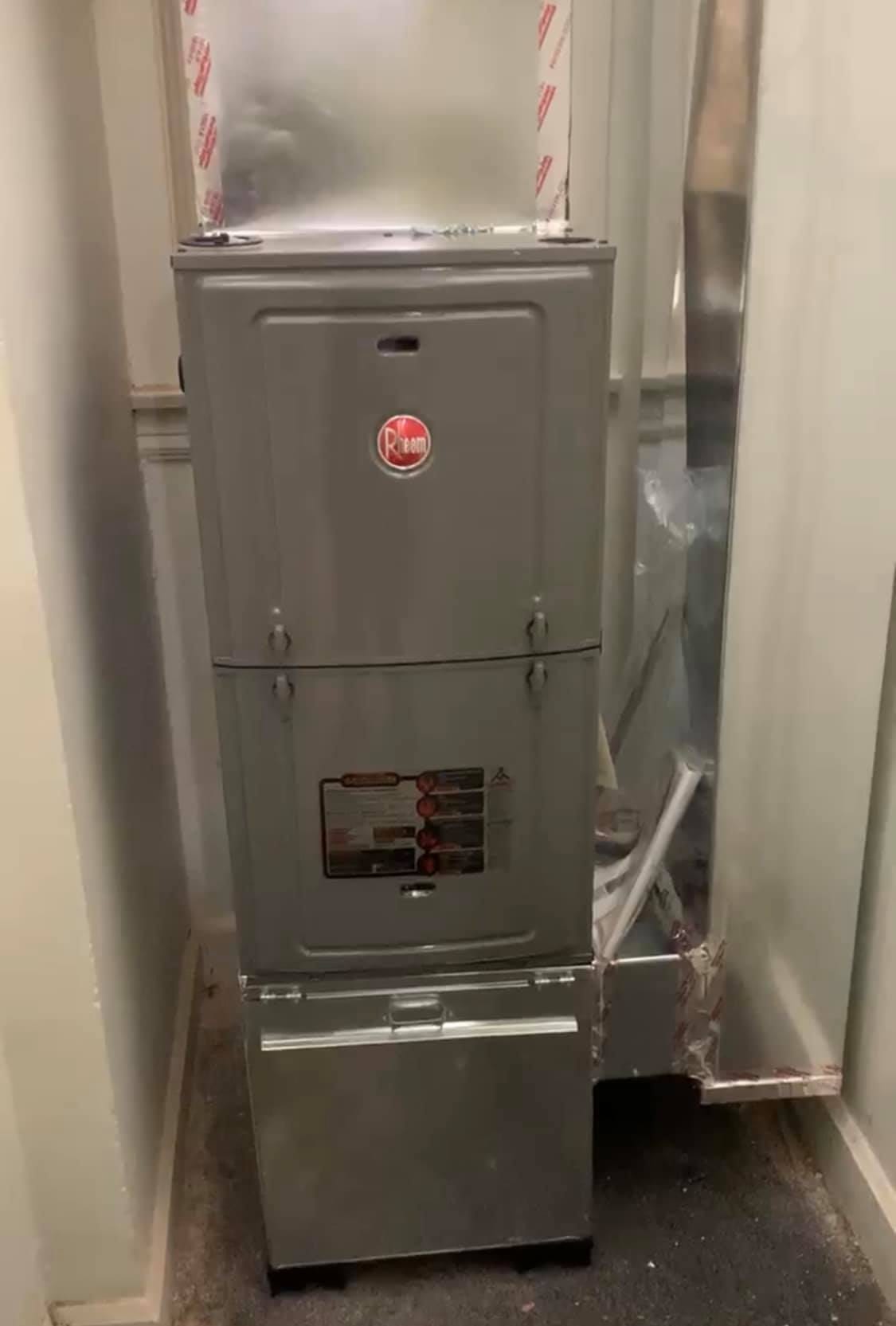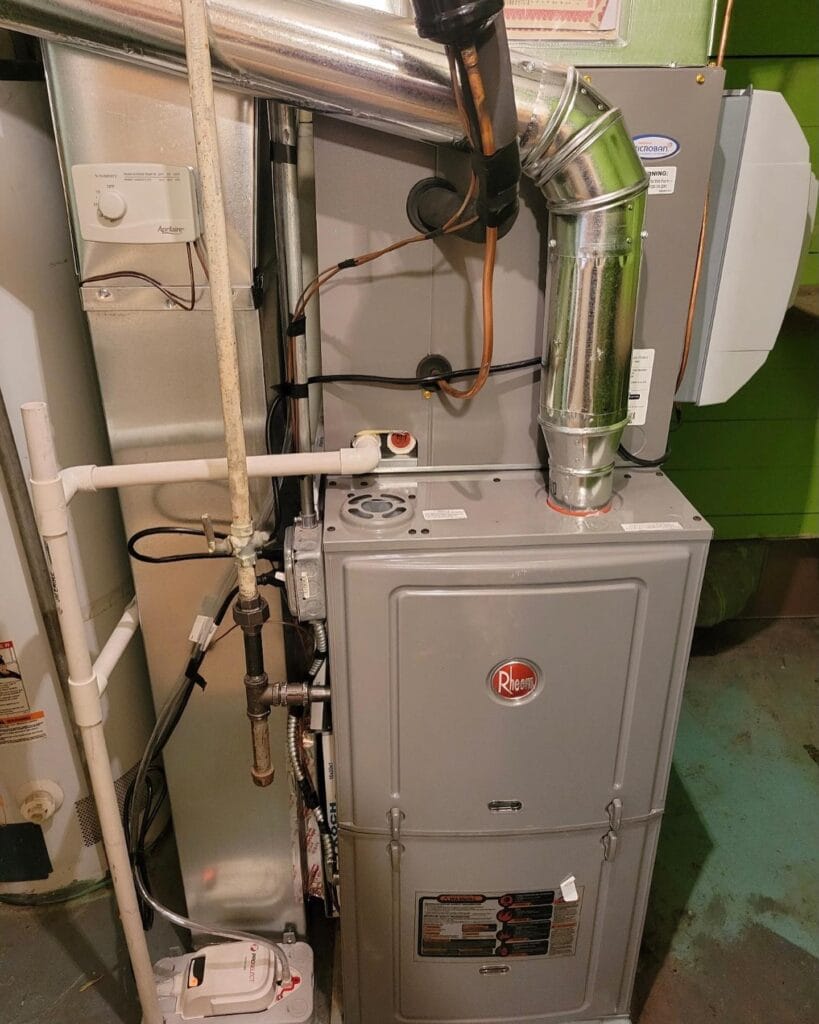
Problems with your furnace in Peoria, AZ often stem from neglected filters, worn components, and ignition faults, and you should watch for strange noises, uneven heating, or increased bills; these signs can indicate a risk of carbon monoxide poisoning and fire if left unchecked. You can prevent most issues by scheduling annual inspections, changing filters regularly, keeping vents clear, and addressing repairs promptly to improve efficiency and extend system life.
Key Takeaways:
- Change furnace filters regularly (every 1-3 months in dusty Peoria) and clean vents to prevent airflow restriction, reduced efficiency, and blower strain.
- Get annual professional tune-ups to catch ignition/electrical, blower motor, and heat-exchanger problems early; have safety controls and CO detectors tested or installed.
- Seal and insulate ductwork, protect outdoor components from dust and monsoon debris, and use proper thermostat settings or a programmable thermostat to reduce short cycling and uneven heating.
Understanding Furnace Functionality
When your furnace runs, several components must work in sync: the thermostat calls for heat, the ignition lights the burner, and the heat exchanger transfers warmth while the blower distributes it through ducts. You should watch for signs like uneven heat or unusual noises, since a cracked heat exchanger can leak carbon monoxide and pose a significant safety hazard.
How Furnaces Work
You fuel the process by setting the thermostat, then the furnace ignites via a pilot or electronic ignition, combusts fuel in the burner, and routes hot gases through the heat exchanger; the blower then moves warmed air into your home. Modern units reach between 80-98% AFUE, and sensors like the flame sensor and limit switch protect against unsafe operation.
Types of Furnaces Commonly Used
You’ll most often see gas, electric, oil, propane, and high-efficiency condensing furnaces in Peoria homes. Each has trade-offs: gas is economical with mid-to-high AFUE, electric is simple and almost 100% efficient at point-of-use, and condensing models recover extra heat for top efficiency.
- Gas furnace – common and cost-effective for larger homes
- Electric furnace – low maintenance, no combustion byproducts
- Oil furnace – still used in older systems, needs yearly service
- Propane furnace – similar to gas where natural gas isn’t available
- This condensing furnace delivers the highest AFUE when you prioritize efficiency
| Component | Function / Note |
| Heat exchanger | Transfers combustion heat to air; a crack risks carbon monoxide exposure |
| Blower motor | Circulates air through ducts; motor wear causes weak airflow and higher bills |
| Ignition | Pilot or electronic system that lights burners; failures cause no-heat calls |
| Thermostat | Controls cycles; a miscalibrated unit leads to short-cycling and uneven comfort |
| AFUE rating | Efficiency metric: typical gas 80-98%, oil 80-90%, electric ~99% at unit level |
When you compare types, note that a modulating condensing gas furnace can vary output to match demand, cutting run time and saving fuel, while an electric unit avoids combustion risks but often costs more to operate per BTU; typical gas systems deliver faster recovery for large spaces. You should weigh installation cost, fuel availability, and long-term AFUE when choosing.
- Replace filters every 1-3 months to maintain airflow
- Schedule annual inspections to detect a failing heat exchanger
- Check vents and flues for obstructions before winter
- Install carbon monoxide detectors near sleeping areas and the furnace
- This preventive maintenance reduces breakdowns and extends system life
| Type | Pros / Cons |
| Gas | Fast heating and lower fuel cost; requires venting and CO safeguards |
| Electric | Simple, no combustion risk; higher operating cost in Arizona unless paired with solar |
| Oil | High heat output for older homes; needs frequent service and safe storage |
| Propane | Good where gas lines aren’t available; similar risks to natural gas |
| Condensing / Modulating | Top AFUE (up to ~98%) and precise comfort control; higher upfront cost but lower fuel use |
Common Furnace Problems in Peoria Homes
Lack of Maintenance
If you skip regular upkeep, systems show it quickly: filters should be replaced every 1-3 months and a professional tune-up is recommended annually. Neglected furnaces develop clogged filters, dirty burners, and stressed blower motors that reduce efficiency and shorten lifespan. In Peoria’s dusty environment, service intervals are often shorter-many techs report needing to change filters monthly during high-dust seasons to avoid airflow and safety issues.
Unusual Noises
When your furnace starts making banging, squealing, or rattling sounds, something is wrong: a high-pitched squeal often points to a failing blower bearing, while a loud bang at ignition can indicate delayed ignition or a cracked heat exchanger, which is hazardous. You should shut the system down and call a licensed technician if you hear sudden bangs or metallic impacts.
Common noise sources include loose panels, failing bearings, a worn blower belt, or an inducer motor struggling to start; techs typically inspect mounting hardware first, then the blower and gas ignition components. Repairs range from simple tightening and lubrication to part replacement-bearing or motor repairs often run between $200-$700-and if combustion components are compromised, you face higher safety risk and should arrange immediate professional inspection.
Inconsistent Heating
Temperature swings between rooms-more than 4-6°F-usually stem from thermostat placement, blocked vents, duct leaks, or an undersized/oversized unit. You can check supply registers, ensure vents are open, and move the thermostat away from heat sources; unresolved imbalances often trace back to leaky ducts or poor system zoning, especially in split-level Peoria homes with long attic duct runs.
To diagnose, measure return and supply temperatures and inspect ducts for visible gaps; sealing with mastic or metal tape can cut heat loss significantly. Technicians recommend a Manual J load calculation if sizing is suspected; correcting duct insulation or adding zoning dampers typically costs between $300 and $3,500 depending on scope, but greatly improves comfort and efficiency.
Frequent Cycling
If your furnace cycles on and off every few minutes rather than running 10-15 minutes per heating call, that short-cycling wears components and raises bills. Causes include clogged filters, incorrect thermostat settings, a failing flame sensor or limit switch, and an oversized unit that heats too quickly. Start by checking the filter and thermostat program before calling for service.
Diagnosing short cycling involves logging cycle lengths and checking flame characteristics and error codes; a dirty flame sensor is a common, inexpensive fix ($80-$200), while correcting oversizing or control board failures is costlier. Professional technicians use combustion analysis and airflow measurements to pinpoint whether the issue is airflow restriction, safety switch tripping, or improper equipment sizing, then recommend the least invasive corrective action.
Preventive Maintenance Tips
Stay proactive with preventive maintenance to reduce common furnace problems in Peoria, AZ; schedule at least two inspections a year, change filters every 1-3 months, and protect vents during monsoon season when dust and pollen spike. You can cut emergency calls by up to 30% with routine care; consult the checklist in Common HVAC Problems in Arizona Homes and How to Fix …
- Annual inspection before heating season
- Filter replacement every 1-3 months
- Cleaning of blower and burners
- Lubrication of moving parts on older units
- Carbon monoxide detector checks
Regular Inspections
Have a certified technician inspect your system at least once a year, or twice if you use gas heat; they should test the heat exchanger for cracks, verify venting integrity, measure combustion efficiency, and test carbon monoxide output-failed exchangers are a top safety risk in Arizona homes with older furnaces.
Filter Replacement
Replace standard 1″ filters every 1-3 months and pleated filters every 3-12 months depending on pets and dust; doing so preserves airflow and can lower your energy bills by reducing blower runtime.
Choose a MERV rating that balances filtration and airflow-MERV 8-11 suits most Peoria homes, higher MERVs trap more particles but may strain older blowers; expect basic filters to cost $8-$30 and note that clogged filters can increase run time and wear, so keep records of replacement dates to spot trends and avoid premature system failure.
Cleaning and Lubrication
Clean the blower, burners, and flame sensor annually and clear the condensate line; if your furnace has serviceable bearings or belts, apply proper lubrication and check belt tension to prevent overheating and noisy operation.
Technicians typically remove 1-2 pounds of dust from blower housings during a service call, restoring up to 10-15% of lost efficiency; perform basic cleaning every 6-12 months and schedule professional lubrication on older motors-Any time you detect squealing, increased cycles, or odd smells, shut the unit off and call a pro to avoid damage or safety hazards.
When to Call a Professional
You should call a pro if your furnace is older than 15 years, shows persistent uneven heating, cycles more than three times per hour, or if you detect a gas odor or a carbon monoxide alarm activation. Schedule an inspection at least annually, and don’t ignore yellow pilot flames, soot buildup, or a sudden >20% jump in energy bills-those are specific signs that DIY fixes and filter changes (every 1-3 months) won’t solve.
Signs of Serious Issues
If you smell gas, see a yellow pilot light or soot, or your CO detector sounds, shut off the furnace and call immediately. Other red flags include loud banging on startup, frequent short-cycling (>3 cycles/hour), repeated pilot outages, tripped breakers, or heating zones more than 10°F apart. A sudden energy bill increase over 20% often indicates a failing heat exchanger or blower motor.
Finding a Qualified Technician
Seek a tech who is NATE-certified, licensed and insured, and registered with the Arizona Registrar of Contractors. Ask for the license number, proof of insurance, EPA 608 (if working on refrigerant), and written estimates. Prefer companies offering clear warranties and 24/7 emergency service; check BBB rating and recent Peoria-area reviews. You should also confirm they perform combustion and carbon monoxide testing during tune-ups.
When vetting candidates, request references from local Peoria jobs and photos of past work, especially on similar furnace makes like Trane or Carrier. Require a written service agreement listing parts, labor, expected timelines, and warranty terms-many firms provide 1-year labor and manufacturer parts warranties up to 10 years. Verify they follow safety protocols (gas shutoff, leak testing, post-service CO check) and offer a follow-up inspection within 30 days of repair.
Energy Efficiency and Cost Savings
Upgrading or tuning your furnace can lower heating bills by 15-30%; older units often run at 56-70% AFUE while modern condensing units hit 90-98% AFUE. If you spot uneven rooms or frequent cycles you may be losing heat through duct leaks or a clogged filter, both hurting furnace efficiency. Regular service and sealing can prevent wasted fuel. The investment often pays back in under three heating seasons.
Benefits of an Efficient Furnace
You get lower monthly bills, more consistent warmth, and reduced wear when your furnace runs efficiently; a unit at 95% AFUE uses far less fuel than one at 60%. You’ll also reduce emissions and the chance of premature component failure, lowering repair frequency and improving indoor comfort. The improved efficiency directly saves you money and extends equipment life.
Tips for Reducing Energy Costs
Set your thermostat 2-4°F lower while you’re away and use a programmable thermostat to shave 5-15% off heating bills. Change a air filter every 1-3 months, seal ducts with mastic or foil tape, and schedule 1-2 annual professional tune-ups to keep AFUE high. Use zoning or ceiling fans to redistribute heat. The small habits compound into noticeable savings.
- Programmable thermostat – schedules save about 5-15%.
- Air filter – replacement improves airflow and efficiency.
- Duct sealing – reduces heat loss from leaks.
- Professional tune-up – maintains AFUE and prevents breakdowns.
Focus on duct sealing-homes can lose 10-30% of conditioned air through leaks, so sealing and insulating ducts in attics or crawlspaces yields immediate savings; a duct test often pinpoints problem runs. You should combine a smart thermostat with insulation upgrades (R-30+ in attics where applicable) for the fastest payback, and documented tune-ups tend to cut emergency repairs by half. The cumulative effect reduces your bills and carbon footprint.
- Duct sealing – typical savings 10-30% of heating energy.
- Smart thermostat – optimizes schedules and learns patterns.
- Insulation upgrade – lowers heat loss and runtime.
- Routine maintenance – prevents efficiency decline and costly repairs.
Additional Resources for Homeowners
Local HVAC Services
Tap local Peoria HVAC shops for service and insist that your technician be NATE-certified, show valid license and insurance, and offer 24/7 emergency repairs. You should schedule an annual inspection so burners, the heat exchanger, and combustion are checked for carbon monoxide risk; ask for written estimates, maintenance-contract details, and at least three local references or BBB ratings before hiring.
Online Guides and Tutorials
Use manufacturer manuals, Energy.gov resources, and NATE articles for model-specific troubleshooting while watching accredited HVAC trainers on YouTube for filter changes, thermostat programming, and basic ignition checks. You can follow step-by-step videos to replace MERV 8-11 filters or clean drain pans, but do not attempt gas-valve or heat-exchanger repairs yourself-those need a professional.
You can find tutorials that list parts, estimated times (filters: under 10 minutes; thermostat/electrical checks: 15-30 minutes), and required tools like a multimeter for 24V tests; pair every guide with your unit’s manufacturer manual. If you detect a gas smell or a carbon monoxide alarm, stop immediately and call a licensed technician.
To wrap up
Most furnace problems in Peoria, AZ are caused by dirty filters, airflow restrictions, ignition issues, and skipped maintenance. In Arizona’s dusty climate, these issues can quickly lead to uneven heating, short cycling, higher energy bills, and safety risks if left unaddressed. Replacing filters every 1 to 3 months, keeping vents clear, sealing ductwork, and scheduling annual inspections can prevent many common breakdowns.
If your system shows signs of trouble, timely furnace repair in Peoria, AZ helps restore comfort and prevent more costly damage. Addressing minor issues early keeps your heating system running efficiently and extends its lifespan.
Trusted Furnace Repair in Peoria, AZ
When you need dependable furnace repair or maintenance in Peoria, AZ, Fresh Comfort Solutions provides professional service tailored to local homes. Contact Fresh Comfort Solutions today to schedule furnace service and keep your home safe, efficient, and comfortable all winter.
FAQ
Q: What causes frequent filter clogs and poor airflow in Peoria, AZ homes, and how can I prevent it?
A: Peoria’s dry, dusty climate and seasonal monsoon winds load filters quickly; pets, construction, and yard work add particles. Prevent clogs by using pleated filters rated MERV 8-11 and replacing them every 1-3 months (more often during dusty periods). Keep return vents and registers vacuumed, seal and insulate duct joints, install a washable pre-filter or whole‑home air cleaner if dust is extreme, and maintain a 2-3 foot clearance around the furnace intake. Schedule a professional duct inspection and cleaning every 3-5 years or sooner if dust buildup is evident.
Q: Why does my furnace fail to ignite after sitting unused for months, and what can I do to avoid ignition problems?
A: Ignition failures often stem from dirty flame sensors or burners, weak igniters, corroded pilot assemblies, or electronic control faults-issues that worsen when the furnace is idle. Prevent them with an annual pre‑season tune‑up that cleans burners and flame sensors, tests the igniter and safety controls, and checks gas pressure. Run the furnace briefly once a month during warm seasons to keep components active, keep the equipment area clean and dry to deter corrosion and pests, and replace aging igniters or control modules at the first sign of intermittent starts.
Q: What causes short cycling, overheating, and higher bills in Peoria furnaces, and how can I prevent these problems?
A: Short cycling and overheating are commonly caused by restricted airflow (clogged filters, closed or blocked vents), thermostat placement in direct sun or near heat sources, failing limit switches, oversized equipment, or leaky/poorly insulated ducts. To prevent them, change filters regularly, keep vents open and unobstructed, relocate or shade thermostats away from sunlight, balance and seal ductwork, and have a technician test limit switches and perform a combustion and efficiency check. If cycling continues, have a professional assess system sizing and controls-fixing these issues reduces wear and energy costs. If you smell gas or suspect carbon monoxide, leave the home immediately and contact emergency services and your gas company.